Morning-to-Evening Lighting Plan: A Room-by-Room Guide
Most rooms are lit for a single moment — the one when somebody flipped a switch, decided it was fine, and never touched it again. But a living room at seven in the morning and the same living room at ten at night want almost opposite things from their light. Morning light should feel clean and awake, bright enough to find your other shoe. Evening light should feel like the volume turned down. You can have both without rewiring the house: plan in layers, then change which layers are on as the day moves.
Three Layers, One Switch at a Time
Every lighting plan comes down to three jobs. Ambient light fills the room so you can see the floor and each other. Task light does a job — reading, chopping, shaving, sewing. Accent light makes something worth looking at: a picture, a plant, a stretch of wall, the corner where nothing much happens but it looks better when it glows.
The usual mistake is buying one fixture that tries to be all three. A ceiling light bright enough to dice onions under is a harsh thing to sit beneath at nine in the evening, and no amount of squinting fixes it. Spread the jobs across separate sources instead, switched separately:
- Ambient: a ceiling fixture, a pendant, or a pair of uplights washing a wall
- Task: a desk lamp, a reading floor lamp, an under-cabinet strip, a mirror light
- Accent: a picture light, a small lamp on a sideboard, a low lamp on the floor behind a chair
If you rent, or you simply don't want an electrician in the house, plug-in dimmers and dimmable smart bulbs will get you most of the way. Put the lamps on smart plugs so a whole cluster comes on with one tap. The goal is choice: at any hour, you should be able to name which lights are on and why.
Color Temperature Is the Quiet Lever
Bulbs are labeled in kelvin, and that number does more for the mood of a room than the shade around it. Roughly: 2700K to 3000K reads warm and yellowish, close to a low sun. Around 4000K reads neutral, crisp, slightly cool. Above that you're in workshop territory.
For a room that has to work all day, keep the ambient layer warm and let brightness do the morning's work. If you like a cooler, cleaner feel while you're getting ready, put a 3500K or 4000K bulb in the bathroom mirror light and nowhere else. One warning: don't mix wildly different temperatures in the same sightline. A cool ceiling panel above warm table lamps looks accidental, because it is.
Some bulbs now dim toward a warmer color as they go down, which is exactly what you want after dark. Check the label for "warm dim" or a low kelvin floor before you buy a handful.
The Living Room: Coffee, Then Conversation
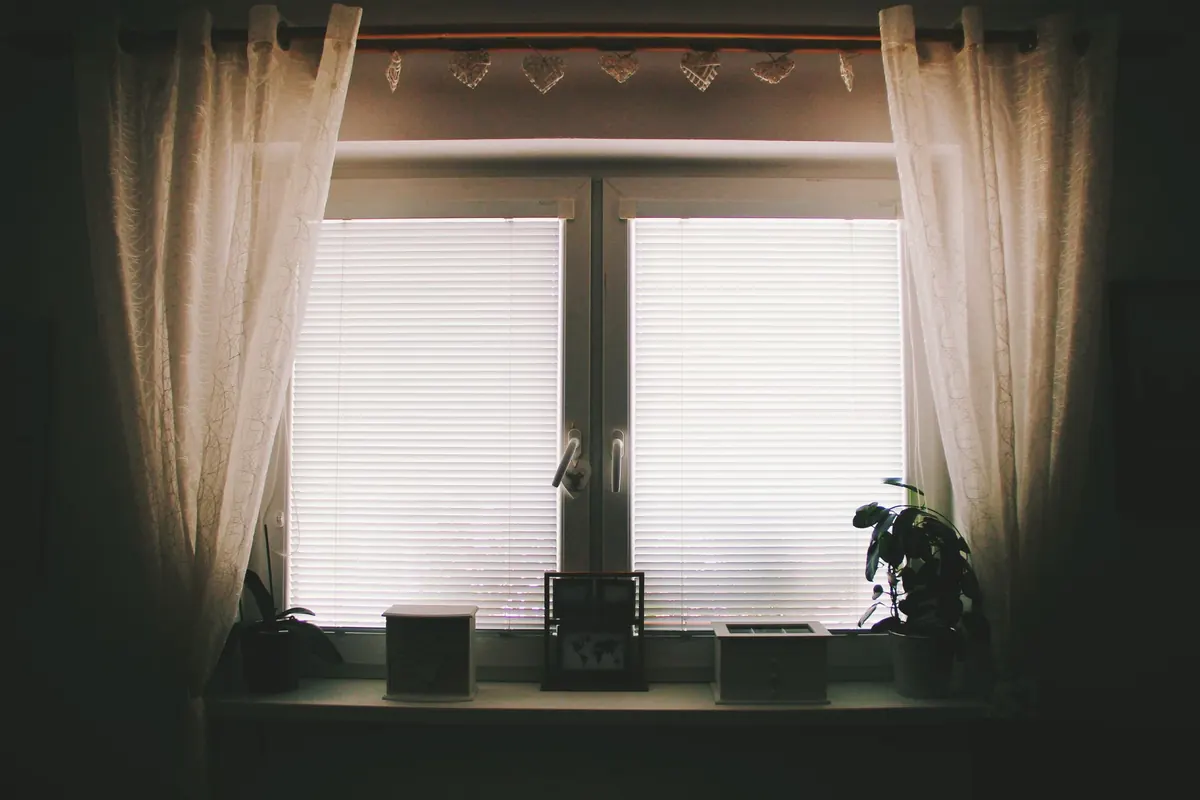
In the morning, ambient plus daylight. Open the curtains first and notice what the room actually gives you — many living rooms need far less artificial light at 8 a.m. than their owners provide. Keep one bright task light near the sofa or the chair where you sit with a book or a laptop.
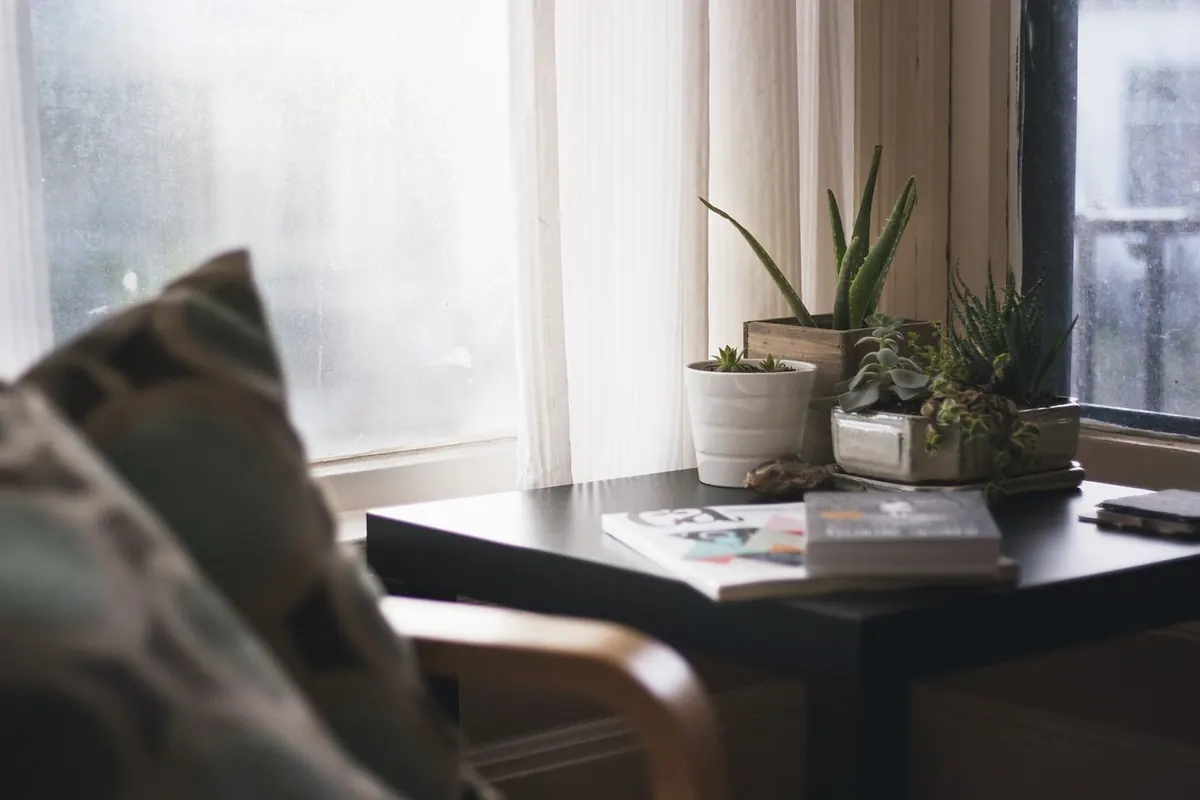
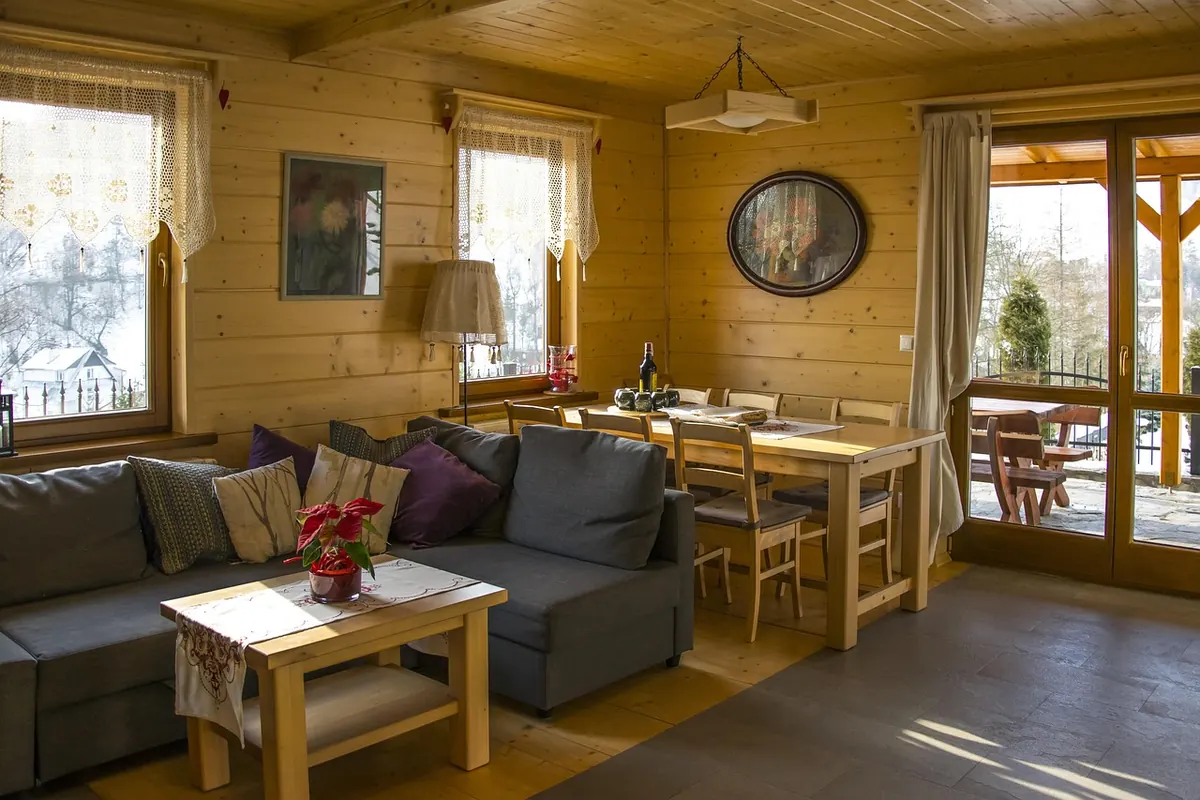
After dusk, turn the ceiling light off. This is the single change that makes the biggest difference. Then build a small constellation: a floor lamp in one corner, a table lamp at the end of the sofa, a low accent lamp across the room. Three points of light at different heights, none of them above eye level when you're seated, and suddenly faces look better and the room feels twice as deep. In a large room, add a fourth so the corners don't go black.
The Kitchen: Bright Where You Work, Soft Where You Sit
Kitchens earn their light. Under-cabinet strips are the workhorses — they put light on the counter where your hands are, which is precisely where an overhead fixture can't reach without throwing your own shadow across the board. Mount them toward the front of the cabinet so the light lands on the counter rather than the back wall.
Then split the day in two. Cooking and cleaning: overhead plus under-cabinet, everything on. Eating, talking, paying bills at the island: overhead off, under-cabinet low, and a single lamp or a pendant over the table doing the rest. If your kitchen opens into another room, watch the transition — a kitchen blazing at full brightness next to a dim living room feels like two different houses joined at a doorway.
The Bedroom: Dimming Is the Whole Design
Bedrooms are where layered lighting pays off most and where people most often settle for a single switch by the door. Two bedside lamps, separately switched and dimmable, are the foundation. Skip the bright overhead, or put it on a dimmer and treat it as a cleaning light rather than a living light.
What each hour needs
Morning: daylight, curtains open, and something bright enough to dress by. Evening: nothing above eye level and nothing aimed at the pillow. A reading lamp with an adjustable head does the job without spilling across the room; a low lamp on the dresser keeps the floor from disappearing when you get up. In a shared bedroom, separate switches matter more than matching shades.
Bathrooms and Hallways: Small Rooms, Big Shifts
A single overhead bulb in a bathroom throws shadows under your eyes at exactly the moment you're inspecting your face. Put light at face height instead — two fixtures either side of the mirror, or one above it plus a softer fill from the side. For the middle of the night, a low warm light near the floor is worth the trouble: it lets you see the doorway without waking you up properly. Hallways want the same treatment, a soft path rather than a blaze, and motion sensors are cheap and unobtrusive.
The Evening Circuit
Lighting a house well is mostly a habit, not a purchase. Walk the rooms once at dusk, in this order:
- Turn off overheads in any room nobody is using.
- Switch the living room to lamps only.
- Drop the dimmers to about a third — lower than feels sensible at first.
- Light the path: hallway, bathroom, the route to the kitchen for water.
- In the last hour before bed, go warmer and lower still, and leave one small light on for the walk back.
A Ten-Minute Reset
Pick one room — the one you use most after dark. Count its light sources. If there are fewer than three, add a lamp before you consider anything else. If everything runs off one switch, fit a dimmer or a dimmable bulb. Replace any cool-white bulb that sits at eye level with a warm one, and angle the shades so the bulb itself is hidden from where you sit.
Then live with it for a week and notice which evenings feel wrong. Usually it's one lamp in the wrong place or one layer left on too long. Move the lamp, change the routine, and the room starts to keep time with you instead of the switch on the wall.
Photo: karishea / Pixabay