


Warm vs Cool Lighting: How to Choose Bulbs for a Cozy Living Room
Warm vs Cool Lighting: How to Choose Bulbs for a Cozy Living Room
A living room can have beautiful furniture and still feel wrong after dark. Often the bulb is the culprit: too cool, too bright, or too weak in the wrong place. Choosing light is one of the simplest fixes in a home. You need two numbers on the box—color temperature and brightness—and a plan for where each light sits. A sofa, a rug, and a coffee table can be perfectly chosen, but if the only light in the room is a single cool-white ceiling fixture, the space can feel more like a waiting room than a place to unwind.
The good news is that you do not need to redecorate to change the mood. In most cases, you need a few new bulbs, a couple of lamps, and a willingness to think in layers. Warm light near eye level makes faces and fabrics look softer, while a brighter, more neutral light overhead can make the room feel clean and usable. The trick is to stop treating “bright” and “cozy” as opposites, and to stop buying bulbs by wattage alone.
Start With Kelvin and Lumens
Color temperature is measured in Kelvin, written as K. It describes the color of light, not heat. Lower numbers are warmer and more amber; higher numbers are cooler and more blue-white. For a living room, most people are happiest between 2700K and 3000K for general and accent light, with a few lower-output amber sources for evening atmosphere. A 2200K or 2400K bulb can work beautifully in a table lamp or a small accent light, especially when it is dimmed. A 2700K bulb is the familiar warm white of a traditional incandescent lamp. A 3000K bulb is still warm, but slightly cleaner and more neutral, which can suit modern gray, white, or blue rooms better than a very amber bulb.
Brightness is measured in lumens, not watts. Watts tell you energy use; lumens tell you how much light comes out. A modern LED may use far fewer watts than an old incandescent while producing similar light. Read the lumen figure first, then check the Kelvin. A bulb can be warm and still bright; those qualities are not opposites. As a rough guide, a table lamp may need about 450 to 800 lumens, a floor lamp about 800 to 1,100 lumens, and a main ceiling fixture about 1,600 to 2,400 lumens, depending on the size of the room and how many other lights are in use.
There is a third number worth noticing: CRI, or color rendering index. A high-CRI bulb, ideally 90 or above, makes wood, fabric, art, and skin tones look more natural. Two bulbs can both say 2700K, yet one may make a red chair look rich and the other may make it look dull. For a living room, where you want materials to feel good, CRI is a quiet but useful upgrade.
Why Warm Light Reads as Cozy
Warm light flatters wood, fabric, and skin. It echoes the colors of sunset, firelight, and candlelight, which is why it feels familiar rather than clinical. Cool light, especially above 4000K, contains more blue energy and can make a room feel crisp, alert, and task-oriented. That is useful in a kitchen or a bathroom, but in a living room it can flatten the atmosphere and make relaxed conversation feel less inviting.
Warm light also changes how materials read. Oak and walnut look deeper, leather looks richer, wool and velvet look softer, and shadows become gentler. A warm bulb in a linen-shaded table lamp can make a corner feel finished even before you add a plant or a piece of art. Under a cool overhead light, the same corner can look bare and slightly harsh. This is why many designers put warmer, lower-output light at eye level and below—on side tables, beside a sofa, or on a bookshelf—rather than relying on one bright ceiling light.
Warmth is not just a color; it is contrast. A room with only one warm ceiling light can still feel flat, while several soft warm sources can make the same room feel layered and calm.
Very amber light is not always the answer, though. In a room with cool gray walls, blue upholstery, or crisp white trim, a 2200K bulb can make the palette look muddy or overly yellow. A 3000K bulb often strikes a better balance: still warm, but neutral enough to let cooler colors stay true. If you are unsure, test one bulb in one lamp before buying a pack.
Where Cool Light Can Still Help
Cool light is not the enemy. It is simply a different tool. In a living room, a focused cool-white task light can be useful for sewing, model-making, jigsaw puzzles, or reading fine print. A 3500K to 4000K adjustable lamp in a hobby corner can help you see detail clearly, while the rest of the room stays warm and low. The key is to keep that light focused and switch it off when the room shifts from doing to relaxing.
Cool light can also be useful in adjacent spaces that open onto the living room, such as a kitchen or utility area, where clear visibility matters. Still, avoid mixing a 2700K warm lamp and a 4000K cool lamp in the same sightline if you can. The contrast can look accidental rather than intentional. If a fixture holds several bulbs, use matching bulbs rather than alternating warm and cool ones. When in doubt, choose 3000K as a neutral-warm compromise for shared spaces.
Build Layers, Not a Single Bulb
A cozy living room rarely depends on one light source. It depends on layers: ambient light for general illumination, task light for reading or hobbies, and accent light for atmosphere. The ceiling fixture can provide a soft base, but it should usually be dimmable and no cooler than 3000K. Table and floor lamps can carry the warmer, lower-output light that makes the room feel intimate. Accent lights can graze a wall, highlight a plant, or wash a bookcase with a narrow beam.
Dimming matters as much as color temperature. A 2700K bulb that is too bright at 8 p.m. can still feel harsh, while the same bulb on a dimmer can feel gentle and forgiving. If you are buying new LEDs, check that they are dimmable and that your dimmer switch is compatible; otherwise you may get flicker, buzz, or a limited dimming range. Some “dim-to-warm” bulbs shift from 3000K toward 2200K as they dim, which can be a lovely choice for evening lamps.
A Simple Living Room Lighting Plan
- Ceiling or ambient light: Use a dimmable 2700K to 3000K bulb, roughly 1,600 to 2,400 lumens for a medium room, and keep it on a dimmer for evening.
- Table lamps: Use 2200K to 2700K bulbs at about 450 to 800 lumens, placed beside seating so the light falls on a book or a face rather than into the eyes.
- Floor lamp: Use a warm 2700K bulb with a shade that softens the light; aim for 800 to 1,100 lumens if it is the main reading light.
- Accent light: Use a small 2200K to 2700K source for a shelf, plant, or wall wash, and keep the output low enough that it adds depth rather than glare.
Common Mistakes to Avoid
- Buying by watts only: Watts are about energy use, not brightness or mood. Look at lumens and Kelvin together.
- Using one bright bulb: A single powerful ceiling light can make a room feel institutional. Several softer sources usually feel better.
- Mixing color temperatures in one view: A warm lamp beside a cool overhead can look accidental. Keep each layer consistent.
- Putting cool white overhead: If the main light is 4000K or higher, the room may feel clinical no matter how good the furniture is.
- Ignoring the dimmer: A cozy bulb that cannot dim may still be too much light at night.
- Forgetting the shade: A dark or opaque shade directs light sharply, while linen or paper diffuses it. The same bulb can feel different in a different shade.
Match the Bulb to Materials and Mood
Warm light tends to flatter wood, leather, brick, reds, yellows, and earthy textiles. A 2700K bulb in a room with a walnut table, a leather chair, and a wool rug will usually feel welcoming. A 3000K bulb can work better in a room with gray walls, blue upholstery, white trim, or a more modern, minimal palette, because it keeps those cooler colors from turning muddy. If your room mixes warm and cool materials, 3000K is often the safest whole-room choice, with 2400K lamps for evening atmosphere.
Before buying a pack, test one bulb in the lamp you use most. Look at the light on the wall, on the furniture, and on your own hand. A good living room bulb should make the room feel more like itself, not more yellow or more blue. Once you find the Kelvin, lumen range, and CRI you like, write them down. Replacing bulbs becomes simple, and the room keeps its mood.
Practical Shopping Checklist
- Choose the layer first: ambient, task, or accent.
- Pick a Kelvin: 2200K to 2700K for lamps and atmosphere, 2700K to 3000K for general living room light.
- Match lumens to the job: lower for lamps, higher for ceiling fixtures.
- Look for CRI 90 or above if color quality matters.
- Check that the bulb is dimmable and compatible with your dimmer.
- Buy one test bulb before replacing the whole room.
- Keep spare bulbs of the same model so the light stays consistent.
Choosing bulbs for a cozy living room is not about finding one perfect light. It is about using warm light where you want closeness, neutral-warm light where you need clarity, and enough layers to avoid a single harsh source. Start with 2700K dimmable bulbs for lamps, 3000K for the ceiling, and a small amber accent for evening. Those small changes can make a familiar room feel warmer, calmer, and more finished—without changing a single piece of furniture.
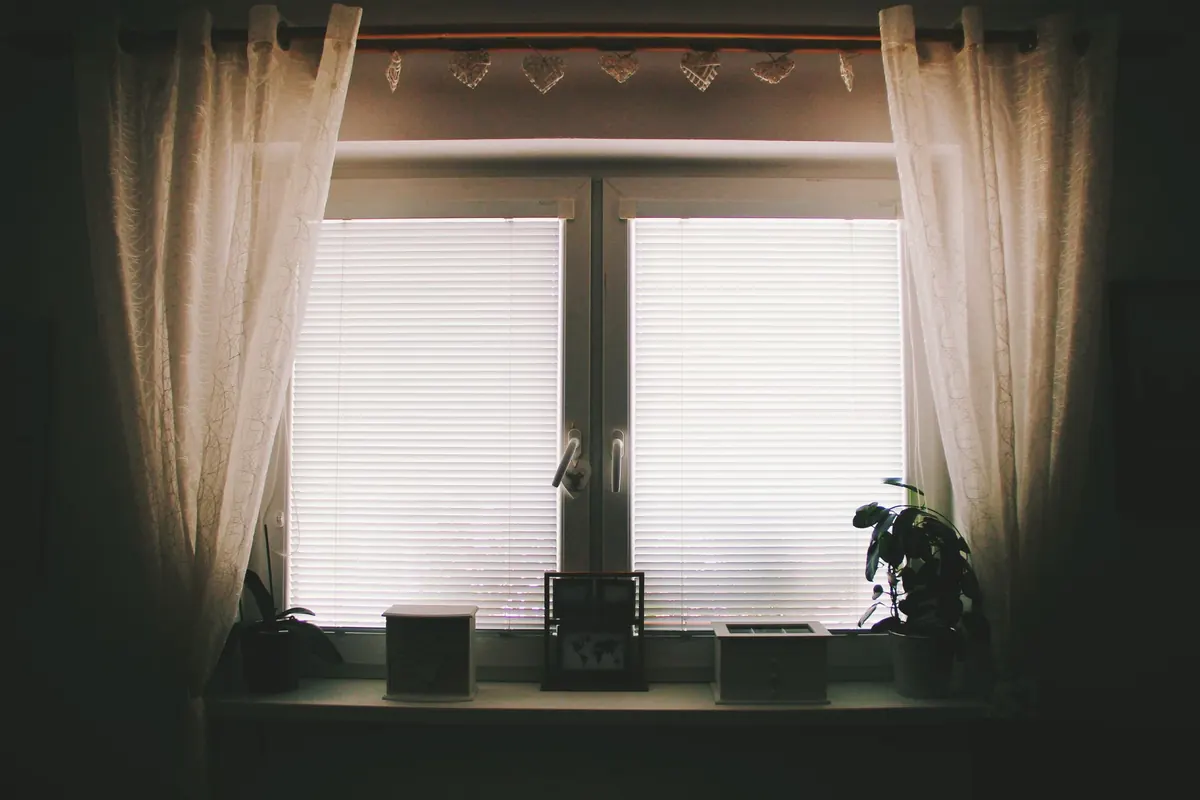
Photo: jeanvdmeulen / Pixabay